




How do customers choose? How do marketers decide?

Brands are made of the stories people tell about them. At Filli Boya I saw from the inside how consumers build that story, and at Komtaş and Protel, how businesses do; I practiced strategic marketing and brand management right in the middle of the budget, the team and the decision.

On stage, I talk about how a brand stays in mind, why a good product does not get bought, and how AI is changing the decisions of the teams who write that story. Your audience leaves with a question they will carry to the meeting table the next morning.

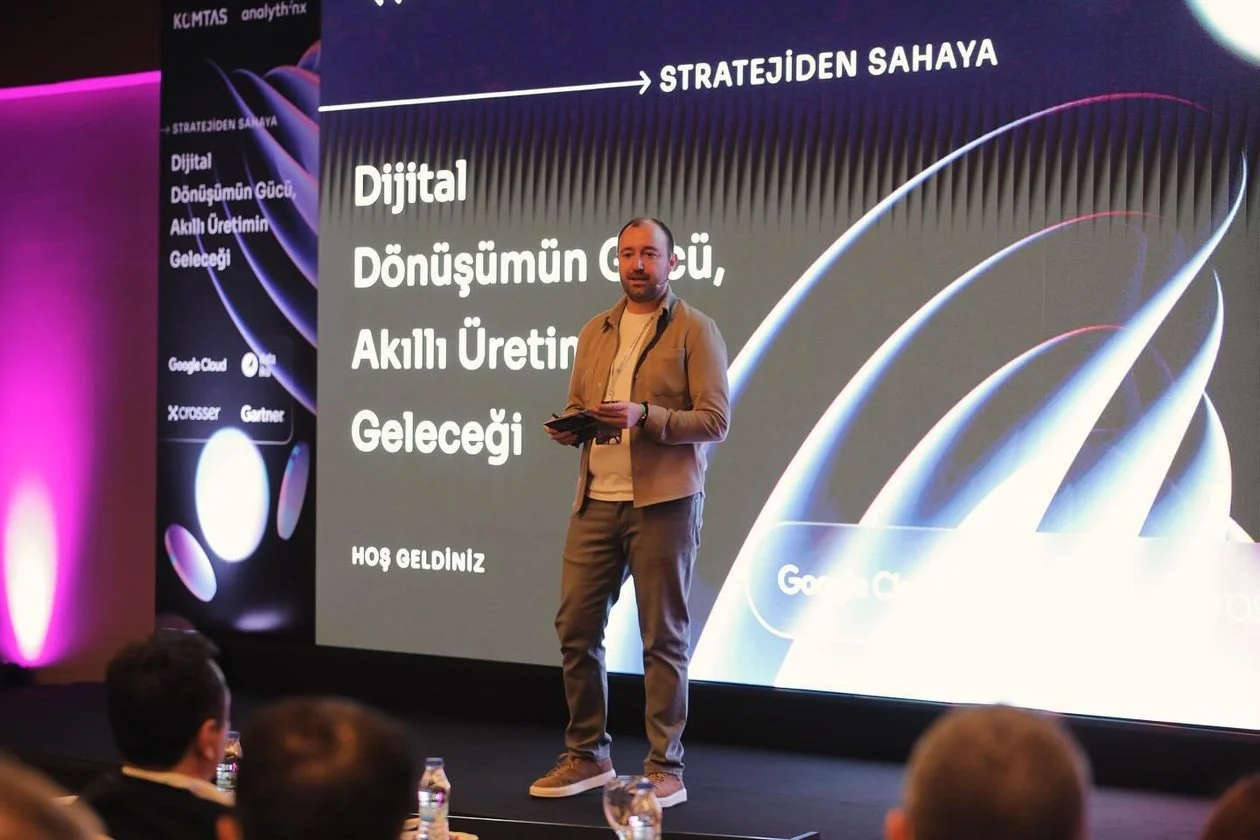
On stage at a Komtaş event
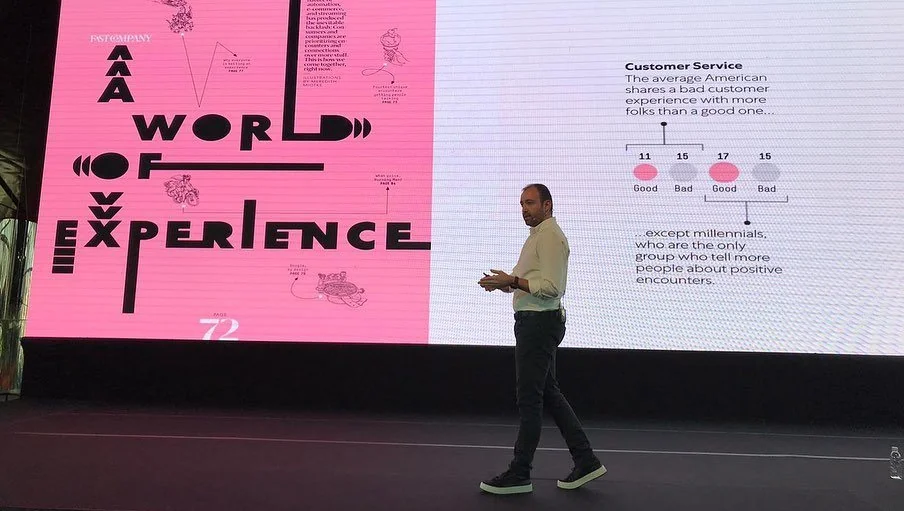
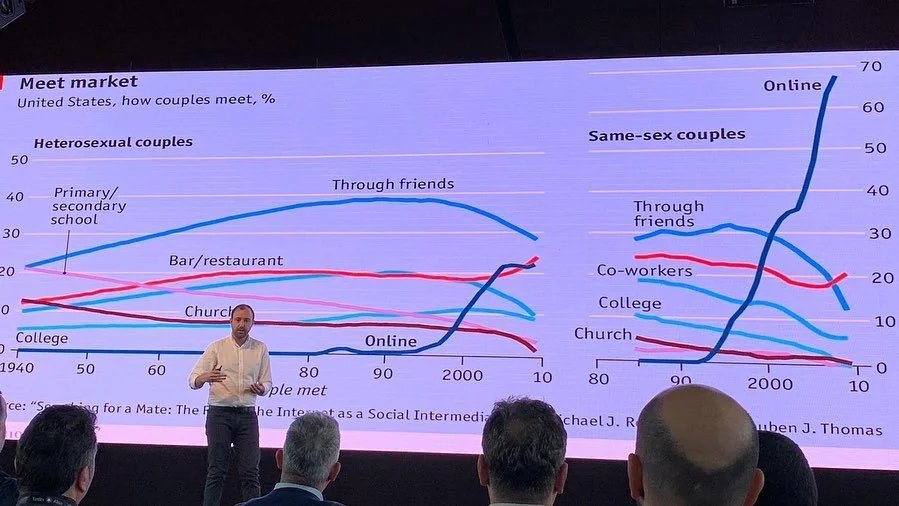
Speaking in front of a FastCompany chart
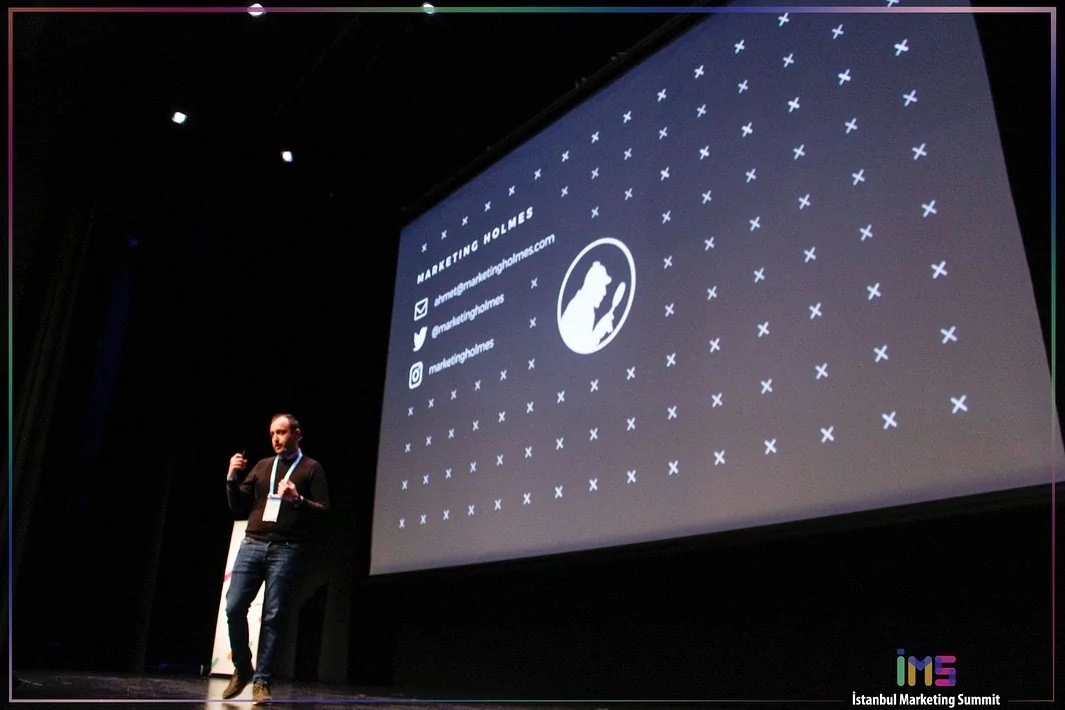
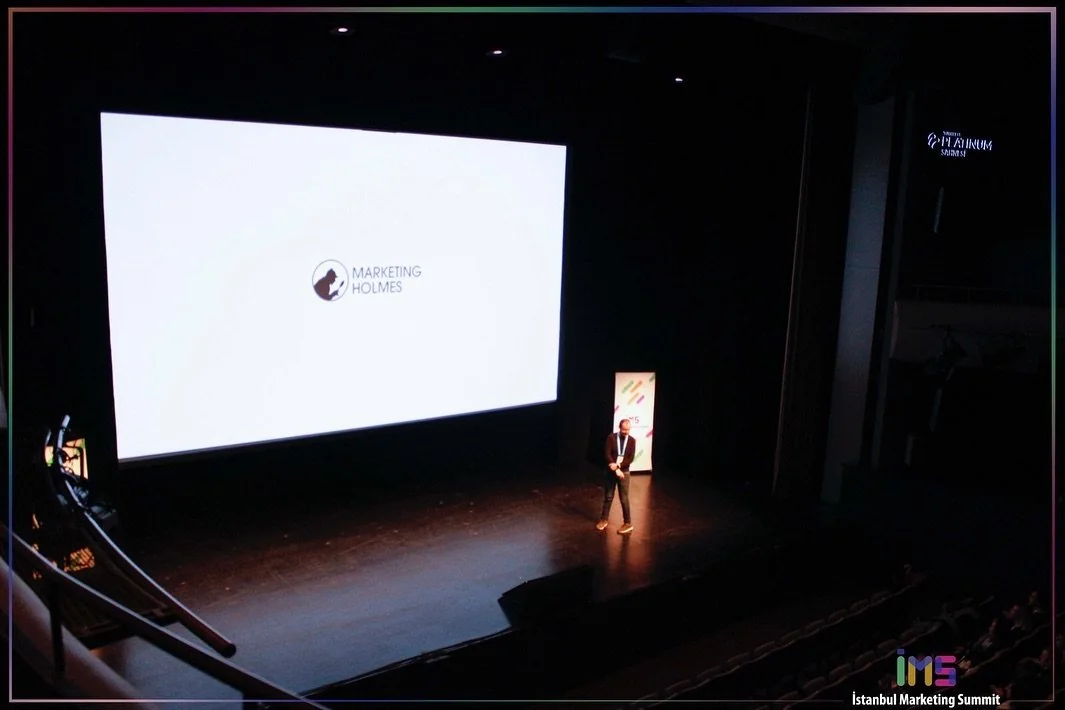
İstanbul Marketing Summit, Marketing Holmes presentation
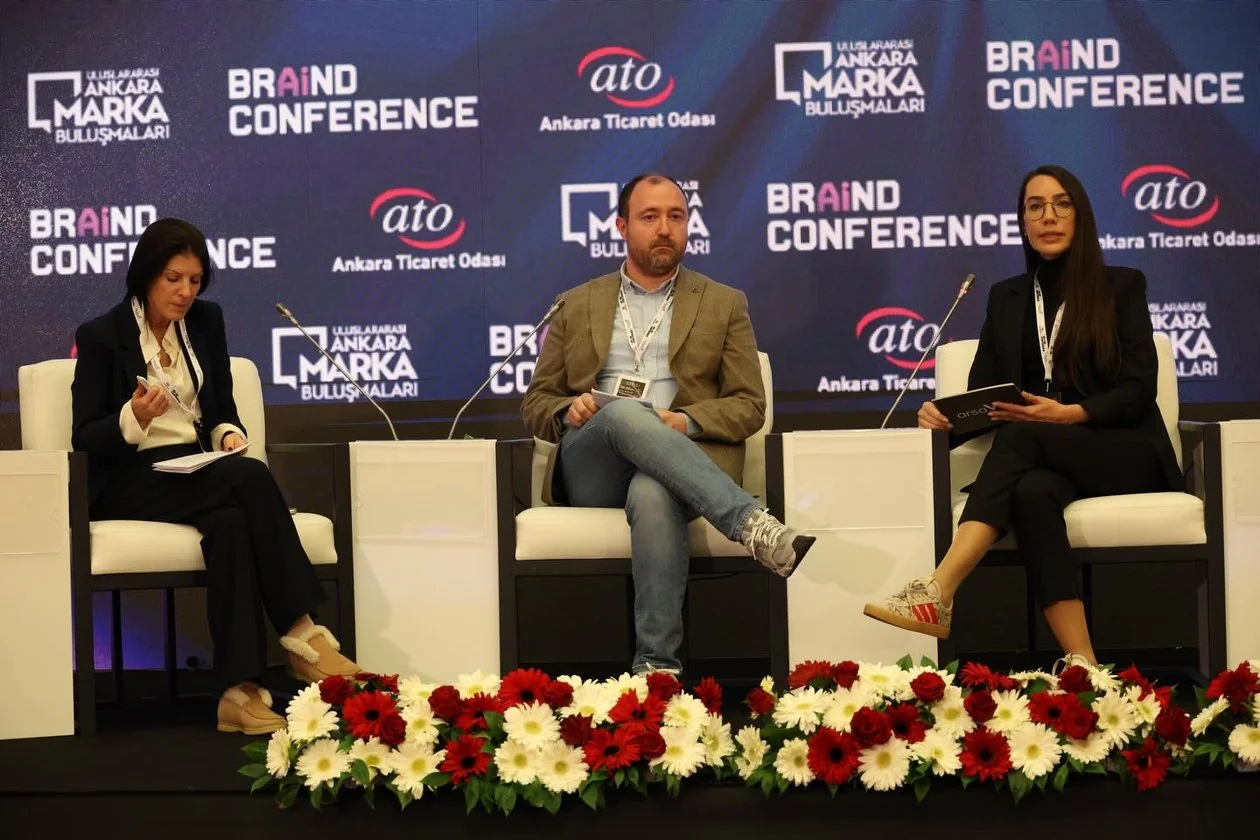
On a BrAInd Conference panel
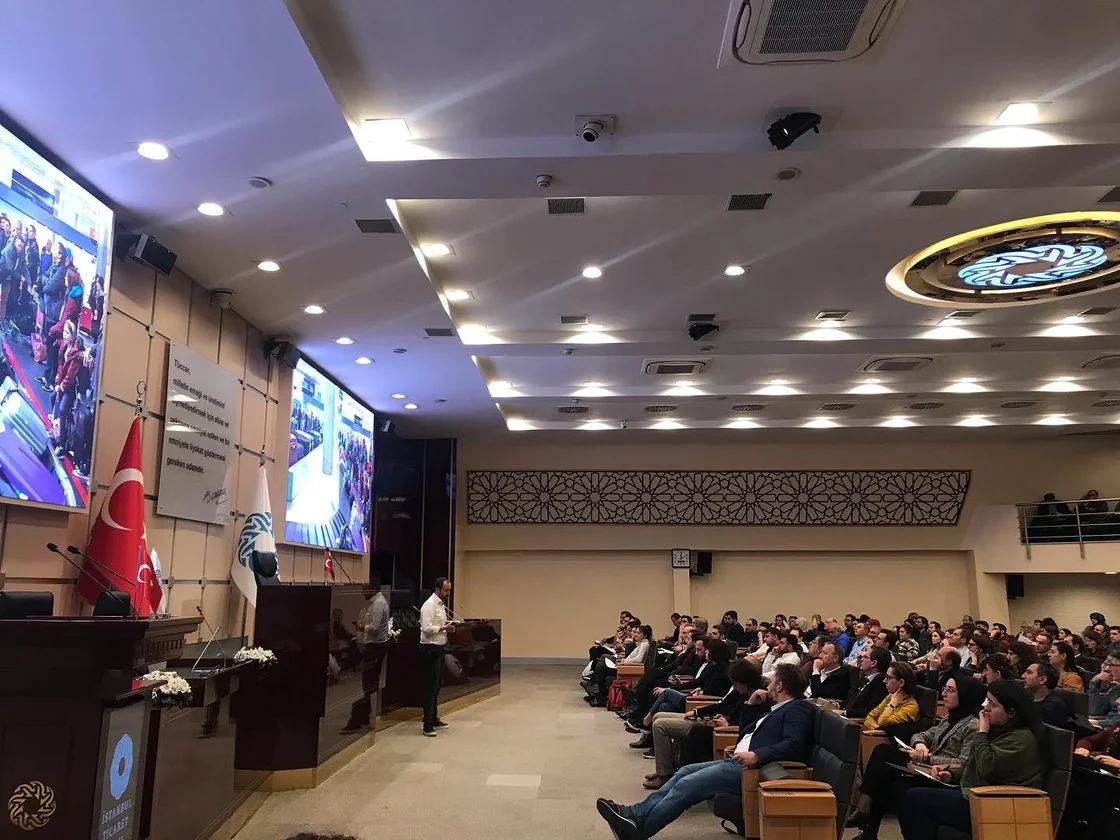
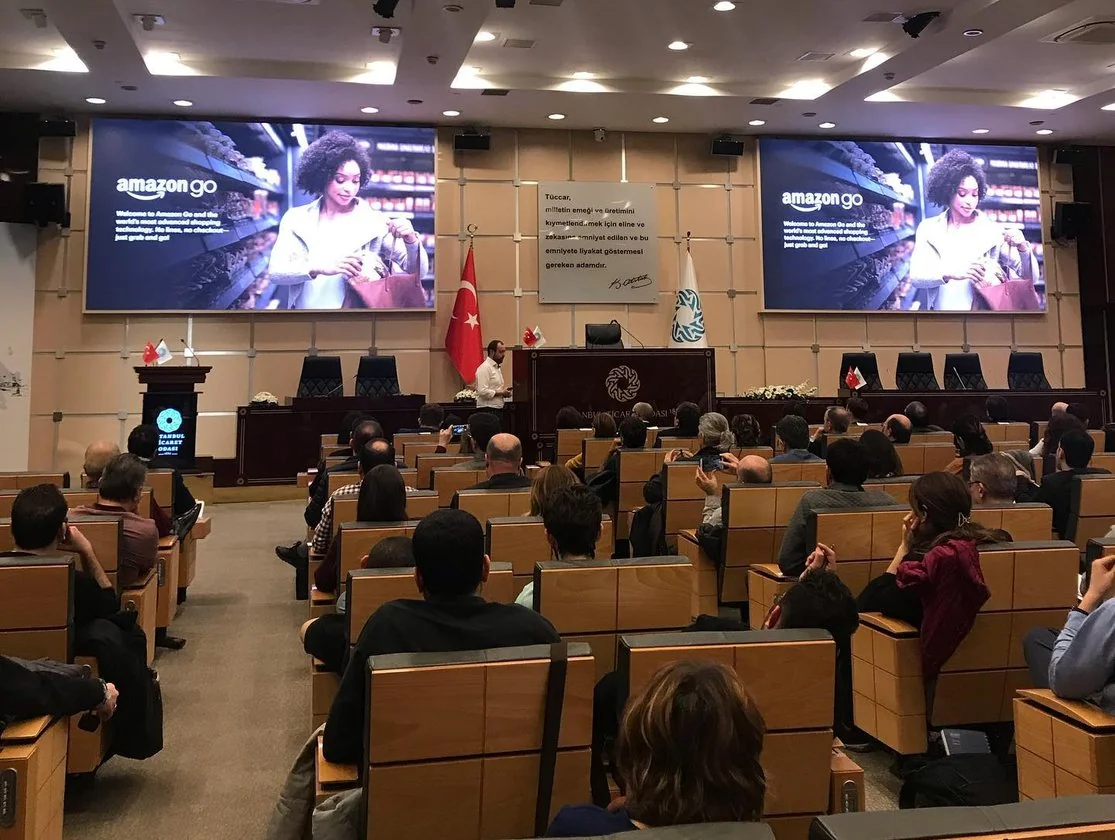
A full room at the Istanbul Chamber of Commerce
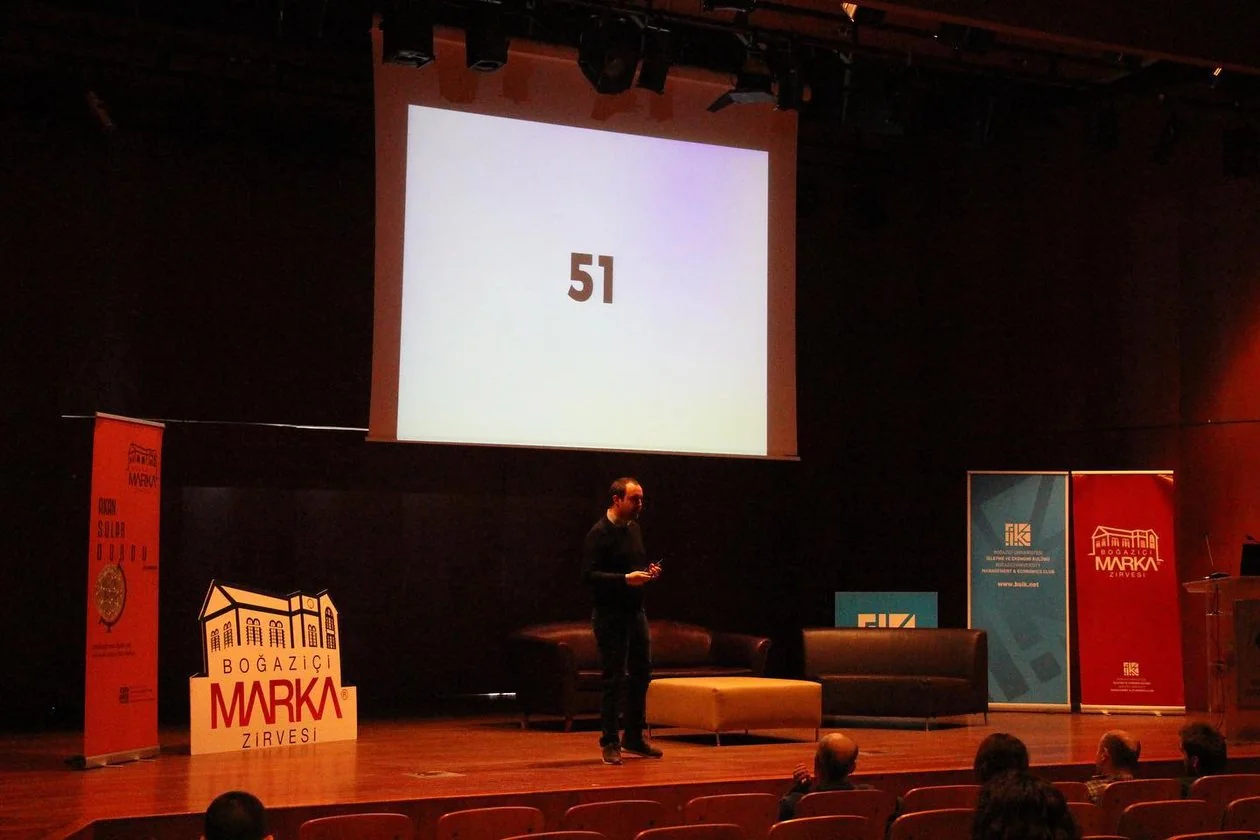
Boğaziçi Brand Summit
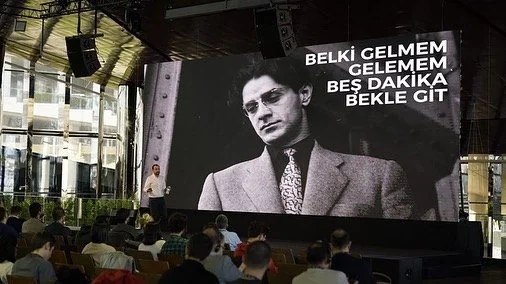
On stage, with an Orhan Veli line in the background
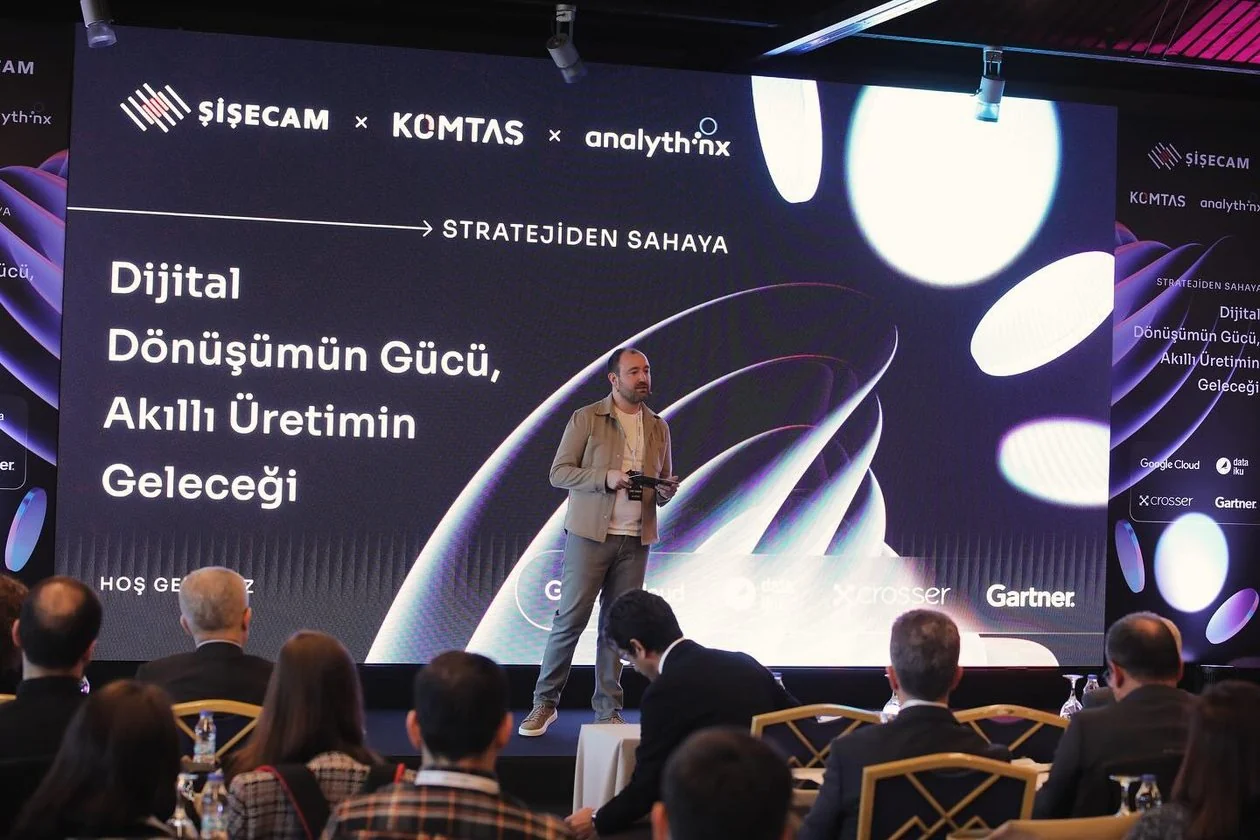
Speaking at the Şişecam × Komtaş event
Speaking on stage in front of a data chart
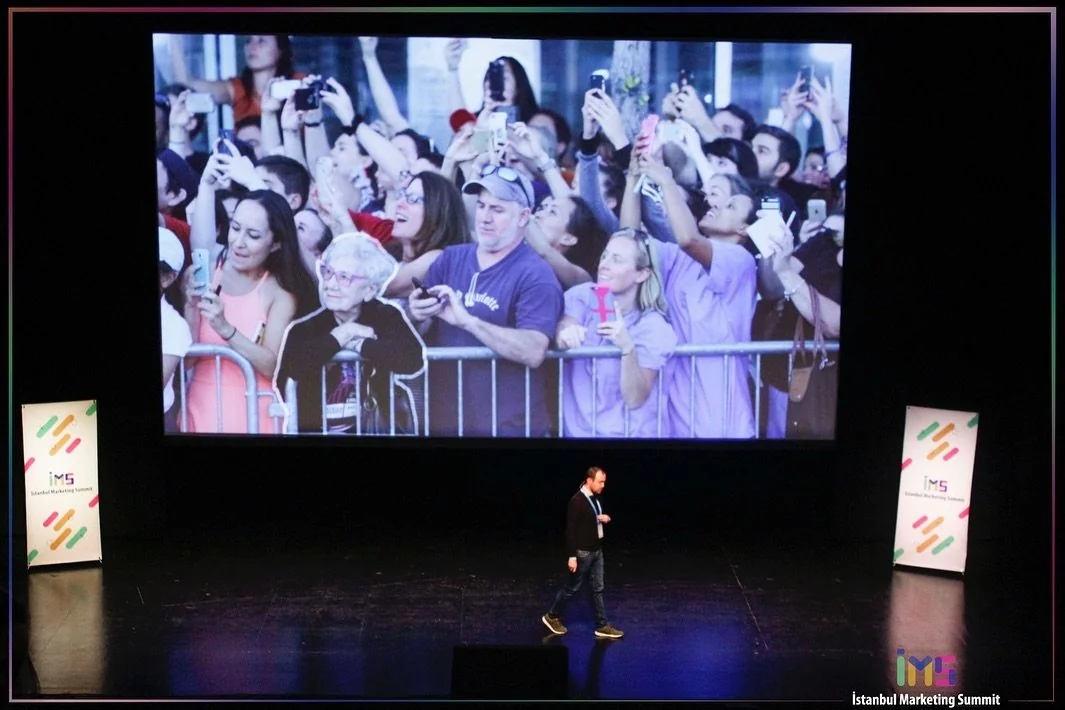
İstanbul Marketing Summit stage
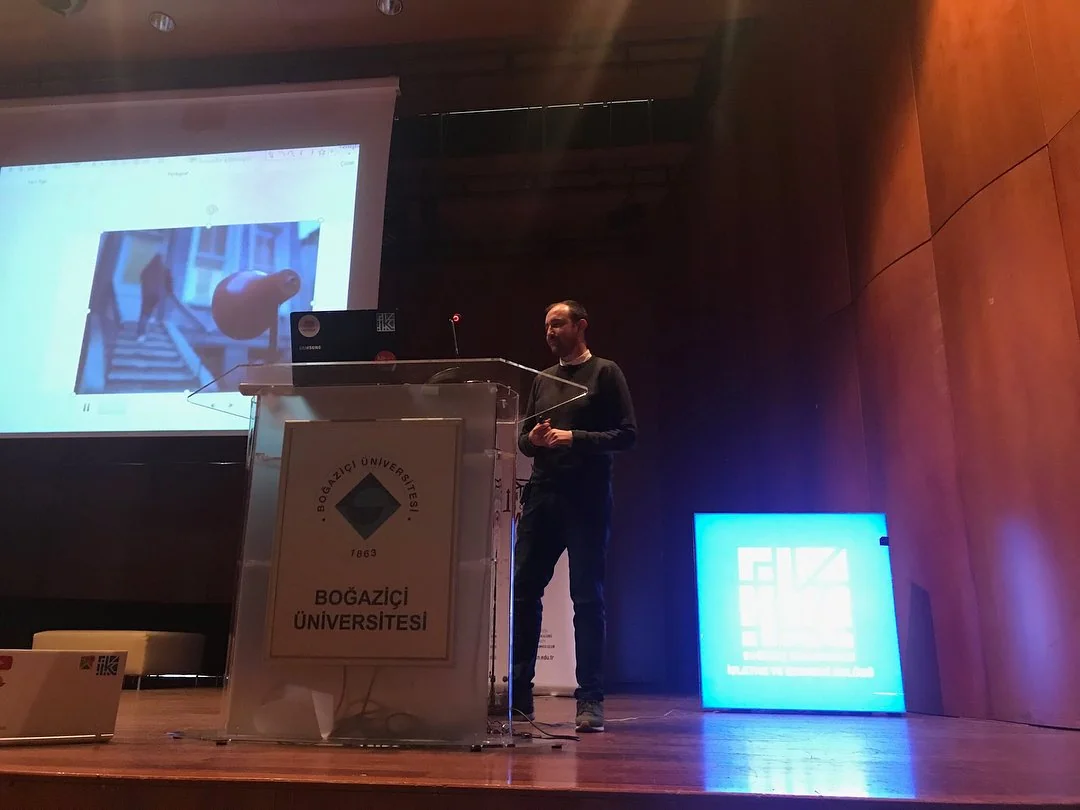
Speaking at Boğaziçi University
Presenting at the Istanbul Chamber of Commerce
İstanbul Marketing Summit, Marketing Holmes opening
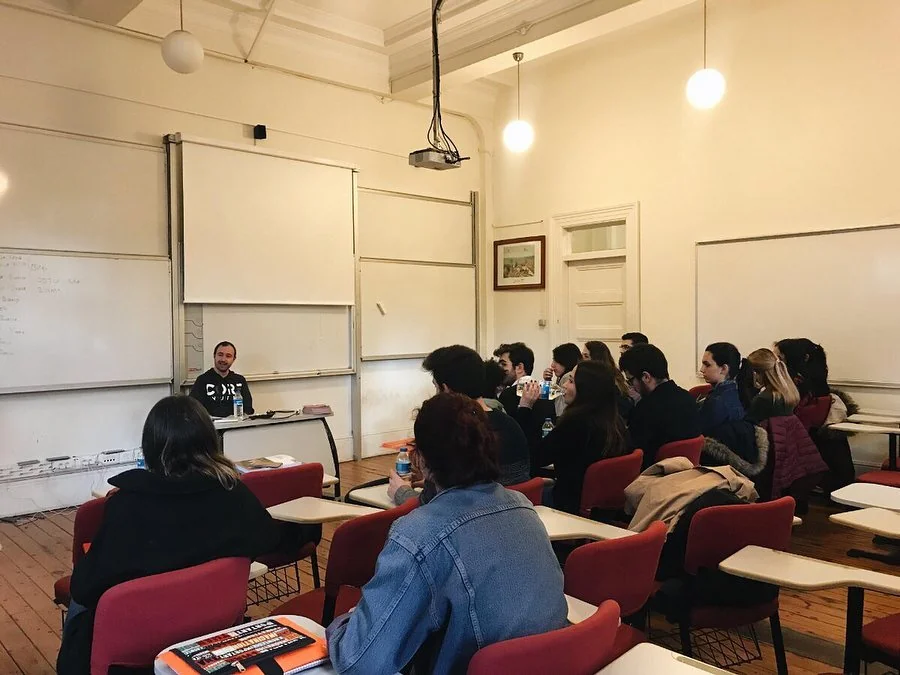
A talk with students in the classroom

Some of the stages I have spoken on

In-house talks

At your company, what should we talk about?

From leadership meetings to kickoffs, I build every talk around examples from the work of the teams in the room.

For marketing teams

AI came up with three ideas. Which one would you fund?

I bring the room three ideas for the same campaign. Everyone picks one. Then I share the customer’s objection and the campaign’s real goal. Who changes their mind, and why? With marketing teams who use AI every day, we use this example to talk about the criteria for choosing a good idea.

What they take away
Criteria for choosing an ideaThe context to give AIWhy the decision stays with people
For sales and marketing teams

They liked the product. So why didn’t they buy?

A software demo goes well. The team that will use the product is happy, but the purchase decision stalls. We look at the same offer again, this time through the eyes of the executive who approves the budget and the team responsible for the switch. A question emerges that sales and marketing can discuss together: in the next meeting, whose concern do we need to address?

What they take away
The concerns of everyone in the decisionWhat the customer asks for and what they needA plan for the next meeting
For leadership teams

Everyone has the same telescope. Where are you pointing yours?

What made Galileo famous was not the telescope; it was where he pointed it. Today everyone has access to the same models and similar production power. I ask the room which problem they want AI to solve in their company; most of the answers turn out the same. From there we talk about where the difference will come from: choosing the right problem, seeing the signal in the noise, knowing where to look for the return on investment.

What they take away
Questions for choosing the right problemWhere to look for the returnA first step for your company
Conferences and summits

At your conference, what should we talk about?

Two talks for conferences, summits and panels that get the whole room thinking together.

For brand, content and search teams

Which brand does AI recommend to your customer?

“Which POS system would you recommend for a coffee chain with ten branches?” Starting from a customer’s question, I put search results and the AI’s answer side by side. Which brands show up? What sources are the claims about them based on? With examples from a study in which we ran 150 questions about 16 products across four models, the audience sees a way to examine where and how their own brand appears in front of customers.

What they take away
Your brand in the AI answerThe sources behind the answerThe definition of your category
For communication and brand teams

What is Daft Punk doing with a tech company?

I start with a Daft Punk track and end with the data literacy series we created with Bebar Bilim at Komtaş. The question that connects them is simple: how do you explain a topic that matters to you but feels distant to your audience? At the heart of this talk is who a tech brand gets to tell its story, and where it begins.

What they take away
Bringing a distant topic closerWho should tell your storyWhere to begin

Maybe I won’t come, maybe I can’t. Wait five minutes, then go.

I opened my talk on the Zorlu PSM stage at Istanbul Marketing Summit 2019 with this line, because it describes today’s customer: someone who gives a brand five minutes and walks away if they don’t find what they came for.

For 17 minutes I talk about how technology has changed customers’ perceptions, habits and expectations of brands. The examples range from Facebook’s loading animation to Nike’s Kaepernick campaign, from the return of the Nokia 3310 to SpaceX’s live stream.

Managing perceptionChanging habitsA brand’s stanceSmart moves
Formats

The right format for your event

In-house talk

45–60 minutes plus Q&A

Leadership meetings, team offsites, kickoffs

Talk and workshop

Half a day

After the talk, the team works on an example from its own work

Keynote

20–40 minutes

Conference and summit stages

Panels and moderation

Depends on the event

As a panelist or moderator

A talk built for your room

Briefing call

Who will be in the room, and what should they be discussing when the talk ends? We cover it in 30 minutes.

Tailoring

I choose examples from the participants’ industry and work; we set the title together.

Afterwards

If the team wants to go further, the talk’s question becomes the team’s own work in one of the training programs.

Stages and juries

On stage and on the jury

At the International Ankara Brand Meetings we discussed the AI agenda of marketing leaders; at SEO Vibes on Tour Istanbul, how visible brands are in AI answers. At the Boğaziçi Brand Summit, I met university students interested in marketing.

Since 2022 I have served on the Istanbul Marketing Awards jury every year; I have also evaluated campaigns as a jury member at the Turkey CX Awards and MarTech Awards.

Frequently Asked Questions

Can you tailor the talk to our company?

Yes, every talk is tailored. In the briefing call we discuss who will be in the room and what you want to change after the talk. I choose examples from your industry and your team’s work, and we set the title together.

How is a talk different from training?

A talk leaves the room with a question; in training, the team works on that question in its own work over several weeks. For teams who want to continue after a talk, there are four training programs.

Do you speak online?

Yes. Online, I keep the talk shorter and leave more room for Q&A and interaction with participants.

Can the talk be recorded and published?

Yes. We agree on recording and sharing in the briefing call.

Do you join panels or moderate sessions?

Yes. I take part in marketing, brand and AI panels as a panelist or moderator.

Do you travel for events?

Yes. Just include the date and city in your invitation.

Let’s meet at your event.

Tell me about your event, who will be in the room and what you would like to change after the talk. Whether it is a conference, a panel or an in-house gathering, let’s shape the topic and the title together around your agenda.

Schedule a Call with Me