Turkish-Style Brand City Strategy: I ❤ [Your City Here]
This post was first published on Medium: https://medium.com/@marketingholmes/türk-tipi-marka-şehir-stratejisi-i-şehriniz-buraya-2111e2ea7585
Today we shouldn’t see marketing as merely a tool or method used by brands. This whole set of systems, which we come across on a remarkably broad plane, from football clubs to political parties, has in recent years become a hot topic for local governments in particular. Known as the brand city concept, and seen as a marketing activity that can turn a city into a livable, visitable and productive place, it essentially means one of the biggest efforts undertaken to move a city forward both socio-economically and culturally, to break negative prejudices about a country and a city, and to put a city one step ahead in its competition with other cities in a global arena where borders are spoken of only in a symbolic sense. The most recent example of this in our country is Gaziantep. Even though the work done for Gaziantep has mostly been discussed through the sums spent on the logo, it’s possible to see that many initiatives with real substance behind them have been implemented. It’s fair to predict that these branding efforts, which bring together many players from universities to NGOs, from local government to opinion leaders, will prove highly effective in the medium and long term, if not in the short term.
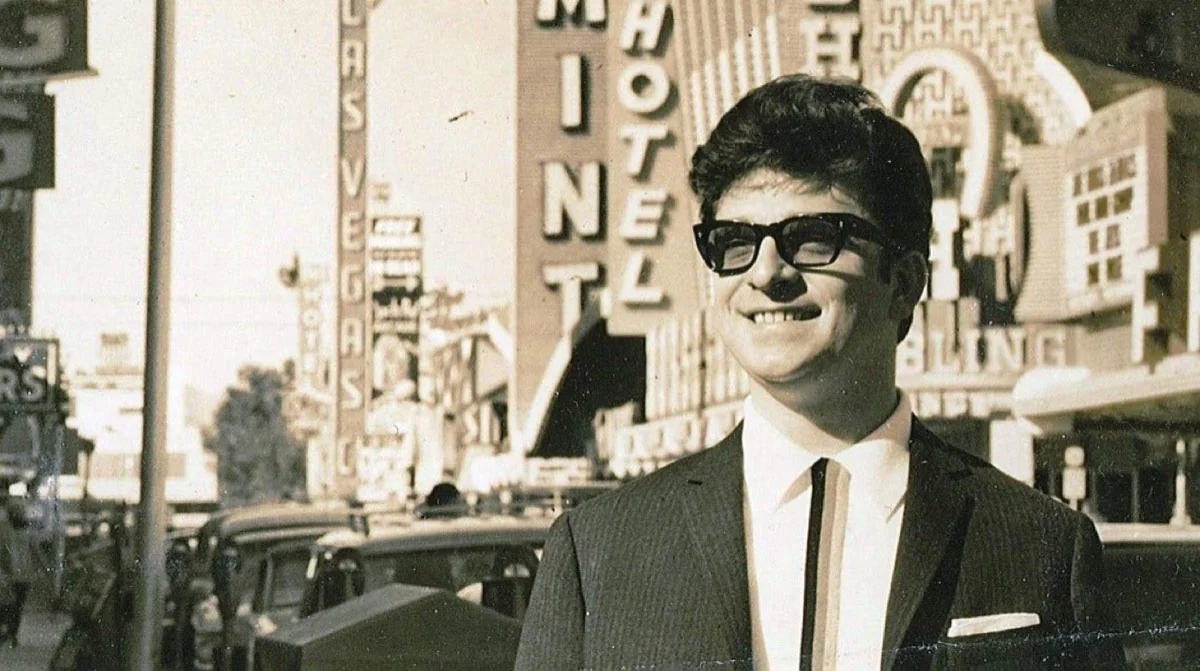
Turning a city into a brand city is actually not as easy a process as it looks. Built by bringing together many factors such as the city’s dynamics, cultural fabric, history and architecture, this structure can only come to fruition through systematic marketing work. One of the most successful examples to cite here is without a doubt New York. The “I Love New York” concept, created from 1977 onwards, aimed to turn the city into a center of attraction for tourism. Spurred into action when, with a rising crime rate, the number of tourists coming to New York hit an all-time low, officials, with jingles, TV commercials and brand ambassadors built around the “I Love New York” slogan, turned New York into one of the most successful brand cities in the world today. The return on this systematic work has made New York, with 12.2 million visitors, the 7th most visited city in the world today.
When we look at how brand cities are formed, even though marketing activities clearly play a big part, it’s fair to say that a city’s cultural and historical fabric also plays a considerable role. Paris and Hong Kong are among the leading brand cities that stand out with highly strategic competitive advantages such as romance and commerce. Looking at our own country, it’s fair to say that Istanbul, Antalya and Gaziantep in particular, with certain competitive advantages unique to them, have significant potential to become brand cities. Istanbul and Antalya especially have the competitive advantage, with their cultural, historical and touristic assets, to easily hold their own on the world stage. However, many factors such as poorly designed strategies, failure to adequately protect the cultural and historical heritage, and transport infrastructure that isn’t designed correctly and effectively leave these cities of ours lagging far behind their potential to become brand cities. Our cities, with potential far greater than their current profile, are performing quite poorly, and the result is visitor numbers well below the potential of both the city’s and the country’s economy.
Today Istanbul, with 12 million visitors, is the 9th most visited city in the world. Istanbul, one of our country’s strongest candidates for becoming a brand city, is unfortunately performing well below its potential due to wrong strategies and practices. Positioning Istanbul as a brand and defining a set of strategies in line with its brand identity would be one of the biggest leaps toward making Istanbul a center of attraction. As Mr. Güven Borça puts it in his book Bu Topraklardan Dünya Markası Çıkar Mı? (Can a World Brand Come Out of These Lands?), closing the historic peninsula to traffic is, in my view too, at the top of these steps.
The promotional clip titled “Watchtower of Turkey,” published two years ago by a tourist who came to our country, is sadly one of the most successful pieces of work ever done for our country. It is clearly evident that, alongside our world-renowned and highly talented artists such as Tarkan, Nuri Bilge Ceylan and Fazıl Say, our soap operas, which have now earned a considerable place among our export items, need to play a much more active role in the mission and vision of creating brand cities. The fact that we are one of the richest countries in the world historically, touristically and culturally must be combined with our competitive advantages, which sadly we fail to use as they deserve, and cities like Istanbul and Antalya must be able to become true brand cities. Unfortunately, with public transport that ends at midnight, with locals who shout at tourists and chase after them, and with shopkeepers who charge 3–4 times the real price, achieving this isn’t really possible. Society must be made aware across all its segments, and the necessary steps must be taken within the framework of the vision that’s been set. Our cities must be brought up to the potential they have, and reaching the economic and cultural level we deserve must be made possible.
- This article was first published in the September issue of Turkishtime and on Marketingholmes.com.
You can also follow me on Twitter: @MarketingHolmes