Seeing the Future Through Virtual Reality
This post was first published on Medium: https://medium.com/@marketingholmes/geleceği-sanal-gerçeklik-i̇le-görmek-129e454e1f48
When Steve Jobs took the stage in 2007 and introduced the first iPhone, humanity may not yet have realized what kind of transformation it was about to go through, but Steve Jobs was quite sure of what the technology they had developed might give birth to. So much so that, when talking about the multi-touch technology they had developed, he said “it works like magic.” Exactly 9 years after the first iPhone, humankind was going through a transformation it perhaps hadn’t experienced in the last 30 years, stepping into a whole different world. And now, here in the present, another technology “like magic” was slowly beginning to enter our lives, slowly beginning to let us feel the vibrations it gives off.
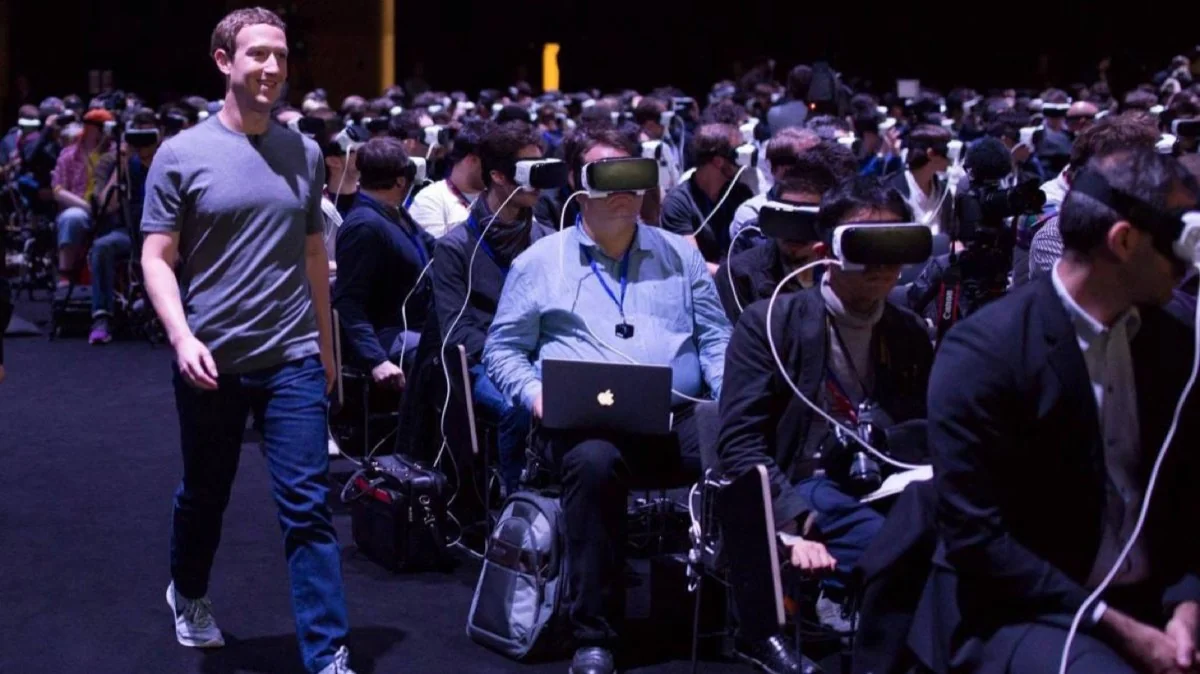
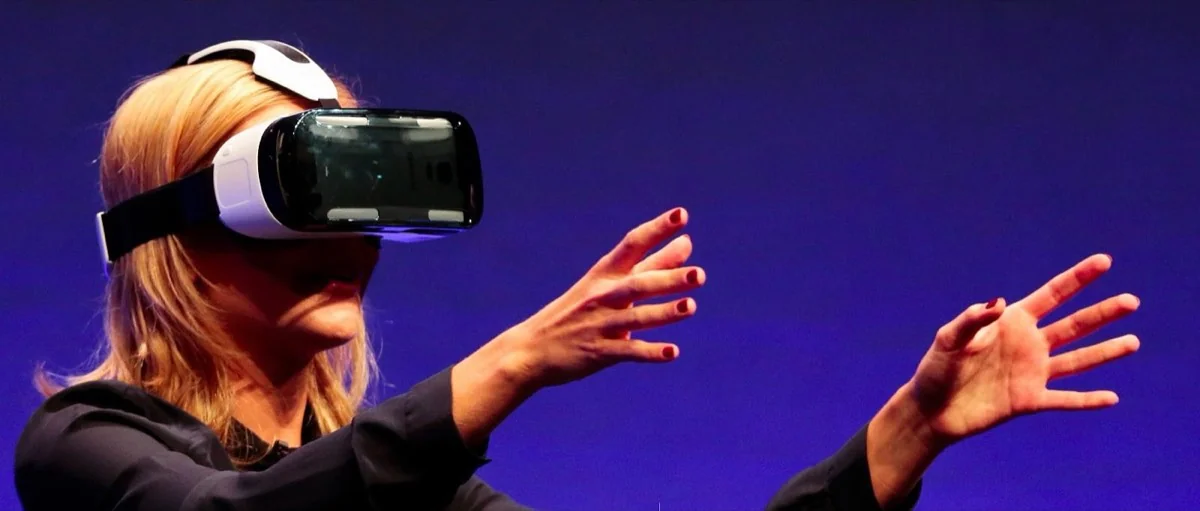
If you asked me today to show you a single frame of the future, I could without hesitation show you the photo at the top of this article, taken at the Mobile World Congress held last month. What made this congress special, where the photo was taken, where every company shaping the mobile world except Apple showcased its new products, and which was no different from a small slice of the future, wasn’t only the new technologies and products on display, but Mark Zuckerberg’s presentation on virtual reality. In his presentation, Zuckerberg pointed to how important a technology virtual reality is, spoke excitedly about the kind of change humanity will go through with it, and said: “One day you’re going to put on a headset, and it will completely change the way you live, the way you work and the way you communicate.” And when it comes to changing all of that, nobody had more experience than Zuckerberg.
Facebook, which made a fast entry into the virtual reality market by acquiring Oculus for 2 billion dollars in 2014, is of course not the first company to see this huge wave coming. According to a report by Goldman Sachs, the market, expected to reach a volume of 85 billion dollars by 2025, is also in the grip of many brands from Intel to Microsoft, from Samsung to Sony. So how prepared are our country and our brands for this technology, which is as important for brands and consumers as it is for manufacturers?
I liken all these developments to the evolution of social media. Let’s go back to 2008, to the presidential election in America. This election, Obama’s first presidential race, was without a doubt a turning point not only in American political history but also in the history of social media. While building his election campaign, Obama teamed up with Chris Hughes, one of Facebook’s co-founders, and pursued a social media strategy unlike anything seen until then. When the election was over, this strategy had brought Obama 4 times the Facebook followers, 5 times the YouTube views and 5 times the website visitors of his rival McCain. All these numbers didn’t just win Obama the election; they also won Chris Hughes the marketer of the year award and put headlines like “The kid who made Obama president” on magazine covers.
Where social media intersects with virtual reality is that, as processes, they are very much alike. The brands that kept their distance from social media back then and struggled to see the wave coming are thinking the same way today about virtual reality. While brands that shape marketing, like Coca Cola, are already developing virtual reality applications and projects, brands lacking this foresight see no reason to leave calm waters. This is exactly where we need to listen to former Nokia CEO Stephen Elop, who made a statement recently: “We didn’t do anything wrong, but somehow, we lost!” Yes, maybe Nokia didn’t do anything wrong back then, but ignoring the incoming wave and trying to stay in calm waters got it wiped out of the smartphone market entirely!
Crytek and VR First Are a Big Opportunity for Our Country!
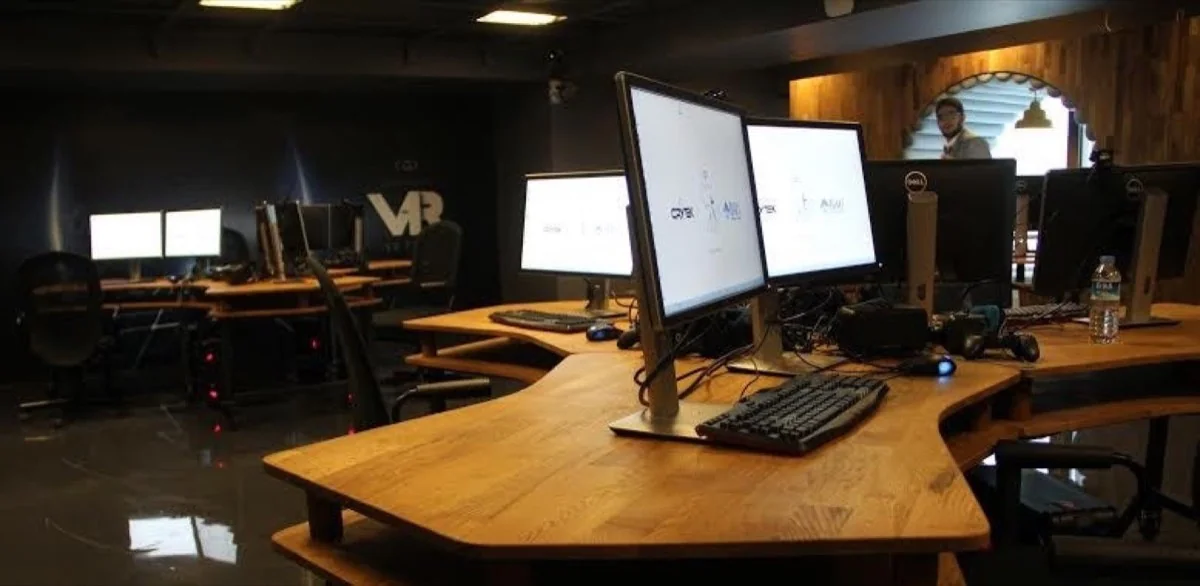
As for virtual reality, it’s possible to see very promising work being done in our country. The VR First lab, founded in partnership between Crytek, one of the world’s most important game developers, and Bahçeşehir University, is one of the biggest of these developments. The lab, whose workshop I had the chance to attend a few weeks ago, serves as a platform both for developers researching virtual reality and for brands wanting to develop virtual reality projects. Being one of the first of its kind both in the world and in Europe, the lab is very important for our country as much as for the development of the virtual reality ecosystem. The successes that ventures securing their place in this ever-growing wave may achieve in the coming years are of critical importance for the development of the ecosystem in our country and for the jobs it could create.
- This article was first published in the April issue of Turkishtime and on Marketingholmes.com.
You can also follow me on Twitter: @MarketingHolmes