Brands’ Quest for Absolute Happiness
This post was first published on Medium: https://medium.com/@marketingholmes/markaların-mutlak-mutluluk-arayışı-f3ed7ea2a383
Imagine walking into a neighborhood market where all the vendors are shouting at once, trying to sell their products. After a while you’ll notice that all those voices are just a hum and that you aren’t actually hearing what anyone is saying. One vendor shouting louder than another will only turn up the volume of the hum and do nothing but annoy you a little more.
Today’s competition can be compared to that neighborhood market. It is a fact that the consumer, standing in the middle of a huge flood of advertising on all sides, hears nothing but one big hum rather than being influenced by the ads they are exposed to all day long. In such an environment, it is undoubtedly harder than ever for a brand to make its voice heard. On the other hand, it is clear that breaking the shell of a consumer who withdraws a little more into themselves every day under this ever-intensifying downpour now depends less on concrete promises and more on abstract concepts.
Here is the point I want to make: the path to the consumer’s mind and heart now lies far beyond concrete concepts. With TV commercials that are indistinguishable from one another, billboards and radio jingles, brands are now very far from being able to influence consumers’ purchasing decisions. Feeling a little lonelier every day in a globalized world, the consumer wants to feel special amid all the ordinariness, to rebel against it and to find their own self in what they consume.
Brands’ need to own emotions
This is exactly what leaves marketing unable to make do with concrete concepts, and it reveals the need to own, to claim, some of the emotions that form the foundation of the individual. To put it more simply, I’m talking about Coca-Cola’s happiness, Red Bull’s excitement, Mercedes’ pride, America’s freedom: brands claiming the values and emotions that make us human. So how possible is this? Let’s talk about it through the polls I ran on Twitter:

A few weeks ago I ran a poll on Twitter and asked my followers two questions. One of them, echoing Eti’s slogan “When you think of happiness, its name comes to mind right away: Eti, Eti, Eti”, was “Which brand comes to mind when you think of happiness?” My aim here was to measure how effective the policy Eti has pursued for years has been. Given the options Eti, Ülker and Coca-Cola, 54% of participants answered Eti, 25% Coca-Cola and 21% Ülker. My other question was “Which brand do you think owns happiness the most?” Here my aim was to measure how effective the “happiness” strategy Coca-Cola has applied for the last 7 years has been. Again, given the options Eti, Ülker and Coca-Cola, 46% of participants answered Coca-Cola, 29% Ülker and 25% Eti.
There are two conclusions to draw from this: you need to understand your consumer well, and you need to give them an experience.
Experience matters more than ever!
The only way to the mind and heart of a consumer who becomes a little more immune to ads every day is to understand them better. You need to understand their wishes, their worries, their fears and their reason for being, and build strategies around them. You are no longer in a competitive environment where you can sell everything you make. You need to take the right steps at the right time on the path to your consumer’s heart.
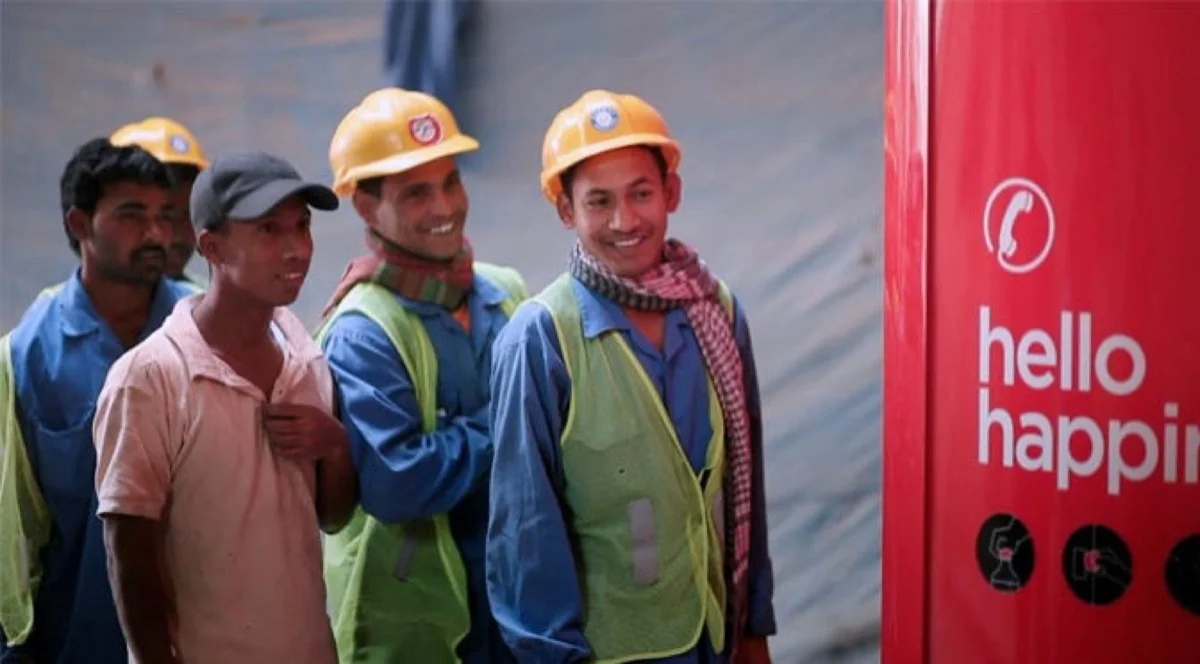
Experience is the magic key that opens every door. Coca-Cola’s huge global success over seven years can be attributed to “experience”. Remember how Coca-Cola backs up every mention of happiness with an experience. Remember how it handed out happiness with the “Happiness Truck” on the Bosphorus Bridge and at a ferry pier at the busiest rush hour, how it built phone booths operated with Coke caps in the United Arab Emirates so Indian workers could talk to their families with ease, how it placed “Happiness Machines” in shopping malls for Valentine’s Day, how it let its consumers experience happiness. Understand why, even though Eti is the first brand that comes to mind when people think of happiness, Coca-Cola is the one that owns happiness the most. See why consumers associate happiness with Eti only at the level of words, while they actually feel happy drinking Coca-Cola.
To sum up, you can’t hand out happiness to your consumers with one-minute happiness messages, giant billboards, ad jingles and empty promises. You can’t overtake others by following in their footsteps. If you can’t let people experience happiness, if you can’t make them feel it in their bones, you can’t own it. Involve your consumers in your processes, make them happy with your actions, not your words. Only then can you reach true happiness.
*This article was first published in the February issue of Turkishtime.
You can also follow me on Twitter: @MarketingHolmes