Playing the Three Monkeys in the Face of Crises
This post was first published on Medium: https://medium.com/@marketingholmes/krizlere-karşı-3-maymunu-oynamak-797679c2cbd9
It takes 20 years to build a reputation and five minutes to ruin it! — Warren Buffett
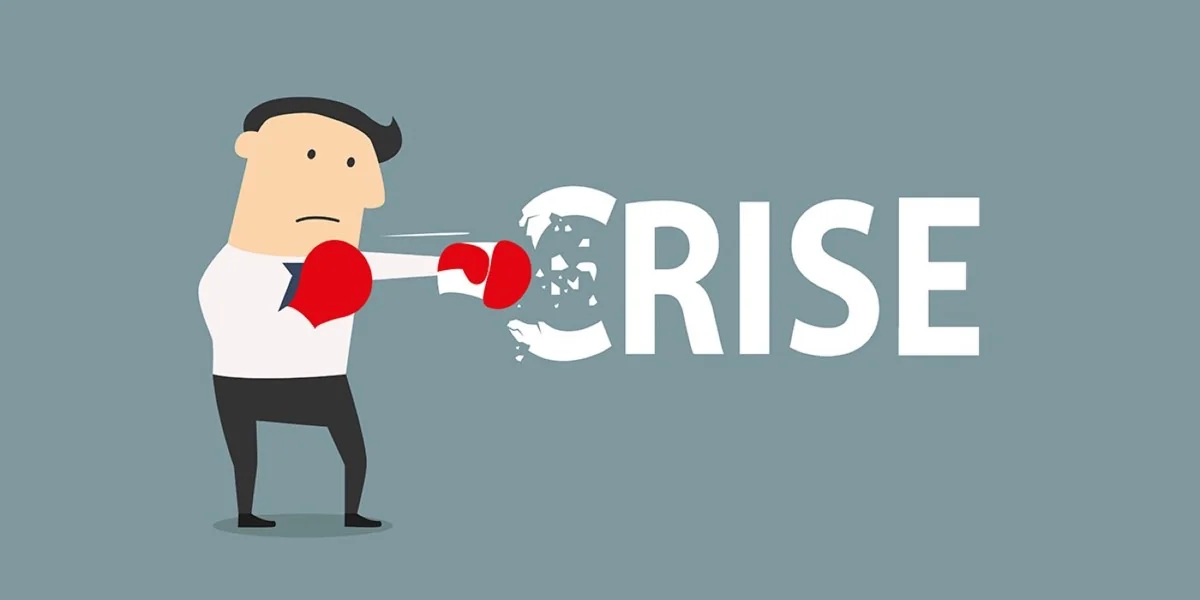
Among the factors that can do irreversible damage, within a few hours, to a brand identity built over many years, crises undoubtedly come first. This situation, one of brand managers’ worst nightmares, points to a process that is hard to manage; yet a well-managed crisis can pave the way for a brand to build immunity to tough times and end up with a far stronger structure than before. Now that social media has become an indispensable part of life, the smallest spark can turn into a huge fire in no time and cause damage that is hard to undo. The most recent example is the Metro Turizm case last month. There is, of course, no way to put that case on any acceptable footing. But instead of accepting the situation and setting out a strategy to compensate the parties for their losses, the brand pointed fingers at others, which deepened the crisis even further and badly wounded its brand image.
While many factors, such as growing organizations, poor hiring decisions and employees failing to embrace the corporate culture, can cause crises, brands that create action plans for these crises can pave the way for getting through them with minimal damage, and even for coming out of them stronger. Proper crisis management first requires accepting the situation and producing strategies to deal with it.
One of the best examples of proper crisis management belongs to Mey İçki. In 2005, deaths caused by counterfeit rakı destroyed Yeni Rakı’s brand image within a few weeks and caused sales to drop sharply. “You could make one of two decisions here: say ‘deaths like this always happen, it’s happened before in this country’ and do nothing, or carry out a recall operation never before seen in Turkey, to show the importance we place on human health and on the consumer, and that we are a corporate company,” said Mey İçki CEO Galip Yorgancıoğlu, telling Markalar Fısıldıyor how they overcame the counterfeit rakı crisis. Following this decision, Mey İçki recalled all of its products from the market, relaunched them with changes such as holograms and gold caps that went on to become industry standards, and not only won back its market share, which had fallen from 97% to 80%, but pushed it above its former level.
Coping with crises and managing them properly undoubtedly matters a great deal on the road to success. Sadly, though, in our country even big brands are far from this level of awareness. Brands that think they’ll get the process under control during a crisis by not answering the phone, refunding the money, sending auto-reply emails and pointing fingers at irrelevant parties can end up losing their consumers for good instead of winning them over. In market conditions this competitive, when consumers already have thousands of reasons not to choose your brand, giving them one more is one of the most critical mistakes you can make when it comes to survival.
In today’s world, where competition has gone global, markets have moved away from the domestic-versus-foreign brand distinction, and interaction and reach have become easier than ever, brands that produce crisis management policies and build plans on pre-prepared scenarios will avoid playing the three monkeys in the face of any crisis, and will be able to have healthier relationships with their customers. Crises will undoubtedly exist in every era. What matters is being prepared for them and managing them properly.
* This post was first published in the July issue of Turkishtime.
You can also follow me on Twitter: @MarketingHolmes