Life Is Made of Stories. What About Brands?
This post was first published on Medium: https://medium.com/@marketingholmes/hayatin-anlamini-sorguladigim-butun-zorluk-ve-sikintilarin-ustuste-geldigi-anlarin-ardindan-belki-e1f4f0408ebe
Marketing is no longer about the stuff that you make, but about the stories you tell. -Seth Godin
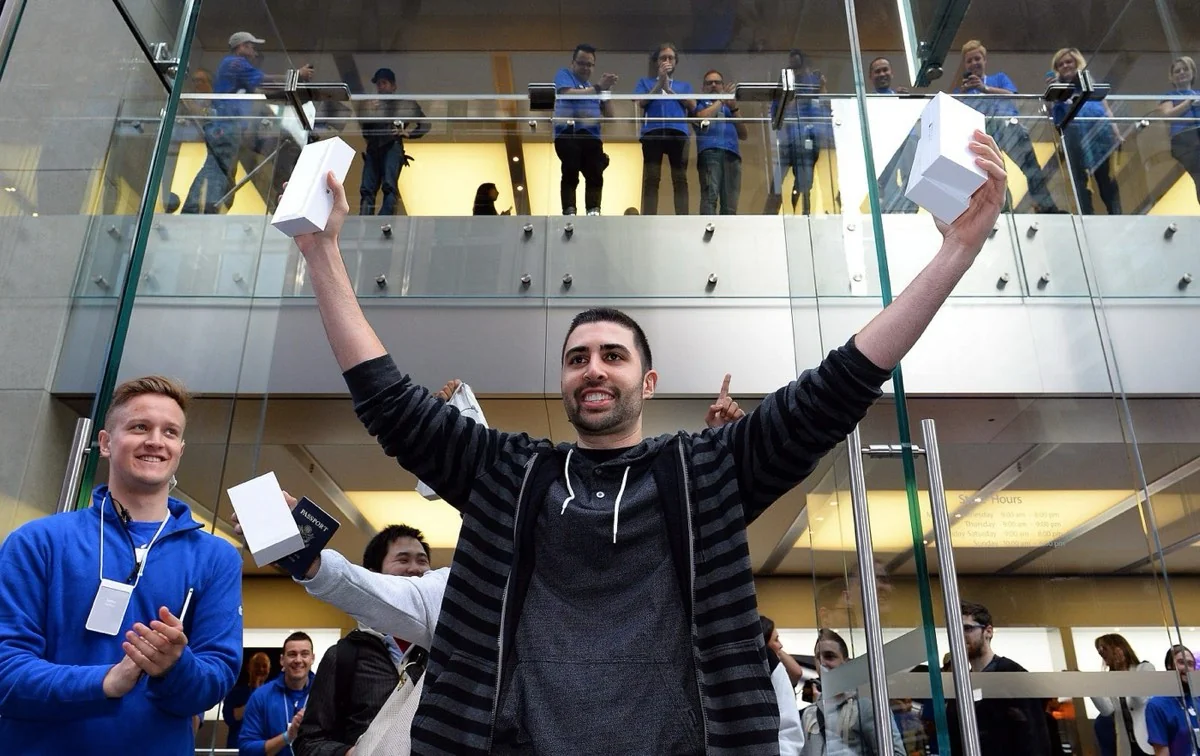
The photo was taken as the first iPhone 6 owner was walking out of the store.
Life Is Made of Stories. What About Brands?
After moments when I questioned the meaning of life, when hardships and troubles piled up one after another, there is only one point this subject, which I’ve approached from perhaps hundreds of different angles, has led me to about the meaning of life: I believe life is made not of time but of stories. Whatever your age, when you look back you don’t see the time that has passed, you see the stories you’ve lived. That’s why, as people grow older, they collect stories rather than years. That’s why, when you talk to people in the last stages of their lives, they tell you not so much how fast the years went by as how they went by.
It is an undeniable fact that, with the change and development of technology, distribution channels and production diversity, in other words the elements that make up today, the meaning the products we use in daily life add to our lives has also become ever deeper and more complex. Today’s human, who spends more effort than ever to make life meaningful, consumes more every day to obtain what life doesn’t offer, and as they increase their weight on the world qualitatively, they diminish their existence quantitatively.
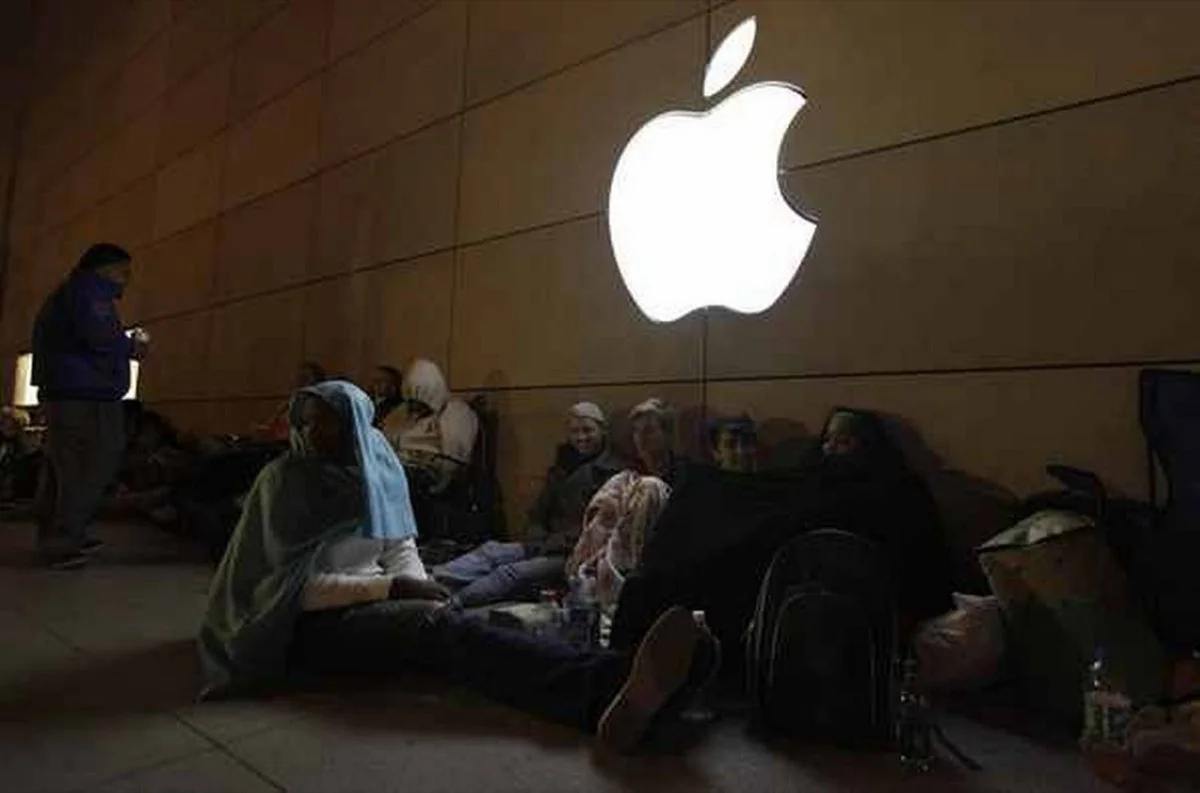
Where stories meet brands, we can easily see that the brand-consumer relationship now means much more than a transaction for both sides. On one side there is a liberated zone where consumers feel at the peak of freedom; on the other, brands determined to draw the borders of this zone and set its rules. So, in an environment where power is in the hands of the consumer, how possible is it for brands to set any rules at all?
To find the answer to this question, we need to go deeper, and first of all find an answer to the question of how free we are in the choices we make. Imagine you’re leaving work tired on a Friday evening and, before heading home, you want to stop by a supermarket and pick up some junk food to eat in front of the TV. Imagine you’re standing in front of the aisle, about to make a choice in this colorful, 10-meter-long corridor that recalls the glitz of Wall Street. There may be many reasons why you choose which product. The product you choose may have a smell that reminds you of your childhood or a color that catches your eye, and within a selection process that takes seconds, your decisions may have been influenced by these factors without your even noticing. This selection process is only a small part of the big picture; when you look at the big picture, here is what you see: more than 1000 brands around the world belong to just 10 groups.
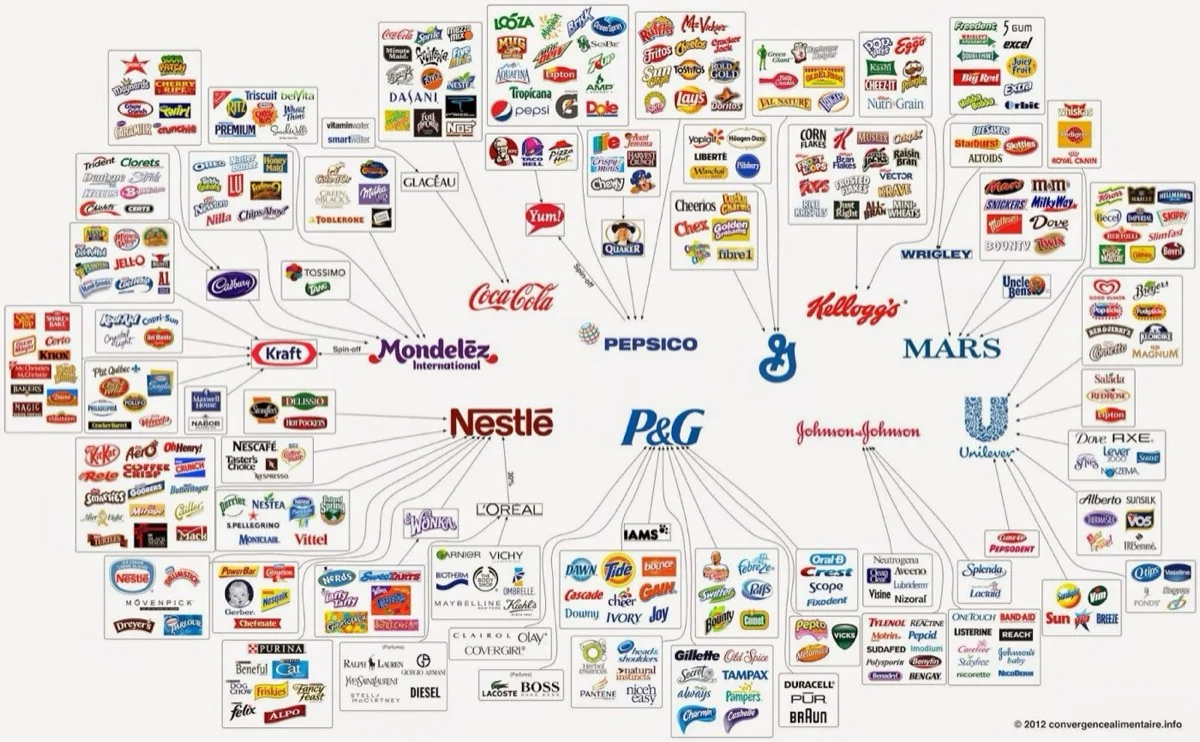
If we set aside the huge marketing budgets of all these brands and focus purely on the value they create, we can see that almost all of them have a story. Instead of just selling people a product, designing processes that can also touch their lives, earning a place in their daily lives, in short being able to create a Lovemark, is the biggest factor behind all this success.
Life is made of stories, and the need to embrace someone, a city or a brand as one’s own is a habit, a cycle, that comes from human nature. Brands that aim to earn a place within this cycle and these habits can both gain an important place in the market and manage to endure. By being part not only of their own stories but also of the stories of people’s daily lives, they can, in a sense, carry their own destiny a step further.
You can also follow me on Twitter: @MarketingHolmes